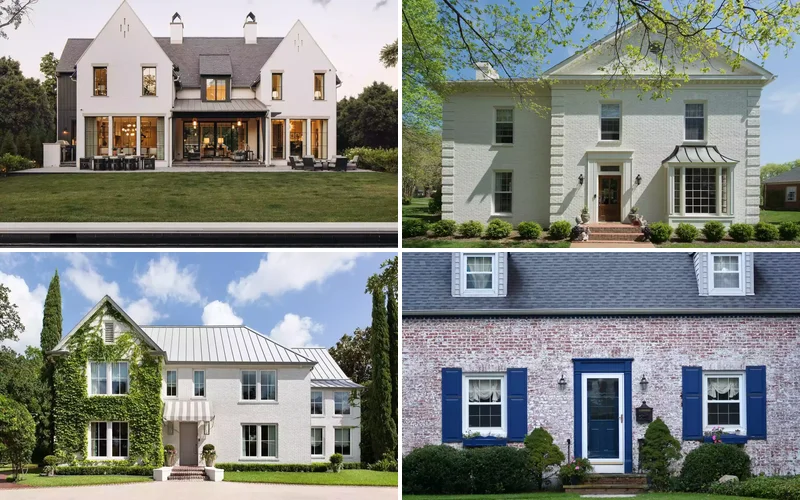
The exterior of your home is more than just a structure; it's a statement, a reflection of your style, and the first impression it makes on the world. For many homeowners with brick exteriors, the question of how to refresh and modernize this classic material often arises. While traditionalists might advocate for natural brick, a growing number of enthusiasts are discovering the undeniable charm and versatility of a white painted brick house. This transformative choice is having a significant moment, yet its appeal is far from a fleeting trend; it’s a timeless aesthetic that effortlessly bridges classic elegance with contemporary sophistication.
Painting your brick house white offers a dramatic curb appeal boost, breathing new life into even the most dated facades. Whether you're aiming for a quaint cottage feel, a sleek modern vibe, or a revitalized traditional look, white painted brick provides a versatile canvas. It’s a decision that can completely alter your home's identity, making it feel fresh, bright, and utterly inviting. This article will delve into the enduring allure of white painted brick, explore the methods to achieve this coveted look, and offer design insights to inspire your own exterior transformation.
The Enduring Allure of White Painted Brick
There's a reason why the trend of a white painted brick house has escalated from a niche idea to a widespread phenomenon: its unparalleled versatility and ability to modernize virtually any architectural style. From the stately lines of a colonial revival to the clean minimalism of a contemporary design, white brick acts as a unifying element, providing a crisp, sophisticated backdrop that enhances other architectural features.
Many homeowners find themselves gazing at their existing red or orange brick, wondering how to give it a fresh twist. While natural brick has its charm, certain shades—especially some of the more orange-toned bricks from specific eras—can make a home feel dated. This is where white paint steps in as a powerful antidote. It instantly brightens, lightens, and creates a sense of expansiveness, making the home feel larger and more inviting. The contrast between darker elements like roofing or window frames becomes more pronounced, adding depth and character.
Some purists express concern about "remodeling the character of historic homes" when painting brick. However, the beauty of white lies in its ability to honor, not erase, history. A creamy off-white on a traditional home can evoke its original charm, as seen in examples where historic photos reveal the home was always intended to have a lighter, softer facade. White doesn't necessarily strip character; rather, it often allows the texture and architectural details of the brick to stand out in a new, elegant way. It's about updating the narrative, not erasing it, allowing your home to feel both classic and completely current.
Achieving the White Brick Look: Paint vs. Whitewash
When considering a white brick exterior, homeowners primarily have two distinct routes to achieve this coveted aesthetic: a full, opaque paint application or a more translucent whitewash. Both methods dramatically boost curb appeal, but they offer different finishes and protective qualities.
Full White Paint Application
Opting for a full coat of crisp, white paint provides the most dramatic transformation. This method completely covers the natural color of the brick, offering an opaque, uniform finish. It creates a stark, modern contrast that can instantly update a home's facade, giving it a clean and polished appearance. This is ideal if you want to completely hide the original brick color, especially if it's a shade you strongly dislike, such as a particularly vibrant orange. The result is a bold statement, often lending itself well to contemporary, farmhouse, or minimalist design styles.
- Pros: Complete color change, uniform look, maximum brightness, strong aesthetic impact.
- Cons: Hides brick texture entirely, can be more susceptible to showing dirt or mildew if not properly prepped and painted.
The Art of Whitewashing
Whitewashing, on the other hand, is a technique that involves applying a diluted paint mixture to the brick. This semi-transparent finish allows some of the brick's original color and texture to show through, creating a softer, more weathered, and rustic look. The term "whitewashing" has roots in protecting homes in areas of heavy rainfall and high moisture, acting as a protective sealant against the elements, including mold growth. This method is still highly popular today for its ability to make brick walls look bright and airy while offering practical benefits.
- Pros: Preserves brick texture, softer and more natural appearance, excellent protection against moisture and mold, very popular for a "bright and airy" feel.
- Cons: Less dramatic color change, results can vary depending on brick porosity and application technique.
For homes in traditional styles, such as Georgian or Colonial, whitewashed brick often pairs beautifully with warm accent colors, creating a timeless elegance that feels authentic to the home's heritage. The choice between full paint and whitewash largely depends on your desired aesthetic and the level of transformation you seek for your white painted brick house.
Transforming Your Home: Design Ideas and Practical Tips
The beauty of a white painted brick house extends far beyond just the paint itself. It serves as an incredible foundation for a multitude of design opportunities, allowing homeowners to truly personalize their exterior. Here’s how you can maximize its potential:
Accent Colors and Trim: The Perfect Complement
Once your brick is white, the world of trim and accent colors opens up. The right choices can dramatically influence your home's overall vibe.
- Classic Black: For a striking, sophisticated contrast, black window frames, shutters, and doors against white brick are a timeless pairing. This creates a bold, modern farmhouse or classic colonial look.
- Grays for Sophistication: Charcoal, slate, or even light gray trims offer a softer contrast than black, lending a contemporary and elegant feel.
- Natural Wood Tones: Warm wood accents on a front door, porch columns, or garage doors introduce an organic element that beautifully complements white brick, adding texture and warmth.
- Subtle Character with Color: Don't shy away from subtle color on trim or shutters. Sage green, soft blues, or creamy off-whites (like Sherwin-Williams' Greek Villa, as noted in some historic remodels) can make historic character shine without overwhelming the white facade.
- Door as a Focal Point: A brightly colored front door—think a vibrant pink, a deep navy, or a cheerful yellow—can add a welcoming pop of personality and serve as a beautiful focal point against a pristine white background.
Architectural Styles and Feel
White painted brick adapts effortlessly to various aesthetics:
- Cottage Charm: Pairing creamy off-white brick with a quaint porch, delicate railing, and flower beds can instantly evoke a charming cottage feel.
- Modern & Bright: For homes with expansive windows or sunrooms, white brick lightens the entire structure and beautifully complements walls of glass, creating a luminous effect, especially when interior lights glow from within. It removes the stark contrast of red brick, allowing the modern elements to truly shine.
- Traditional Elegance: On traditional homes, white or whitewashed brick provides a fresh canvas that highlights architectural details like intricate cornices, dormers, and grand entryways, making them feel updated yet rooted in their heritage.
Enhancing Curb Appeal Holistically
A white brick exterior is a fantastic starting point, but true curb appeal comes from a cohesive vision:
- Landscaping: Lush greenery, vibrant flower beds, and well-maintained shrubs provide essential contrast and soften the lines of the home.
- Lighting: Updated exterior lighting fixtures, from sconces to pathway lights, not only improve safety but also enhance the home's aesthetics, highlighting its new look at night.
- Details Matter: Replacing an old storm door, updating house numbers, and refreshing porch furniture can make a significant difference in the overall polished presentation.
Transforming your home with white painted brick is more than just a paint job; it's a strategic design choice that can completely redefine its appeal. For more ideas and benefits, explore our article on Boost Your Curb Appeal: The Transformative Power of White Brick.
Practical Considerations for Your White Painted Brick House
Before you commit to a white painted brick house, it's wise to consider some practical aspects to ensure a successful and lasting transformation.
Choosing the Right White
Believe it or not, there isn't just one "white." Whites can have cool undertones (blues, grays) or warm undertones (yellows, creams, pinks). The best white for your home will depend on several factors:
- Natural Light: Homes that receive a lot of direct sunlight might benefit from a slightly warmer white to prevent it from looking too stark or blue. Shadier homes might need a brighter, cleaner white.
- Fixed Elements: Consider your roof color, existing stone, and surrounding landscaping. A cool white might clash with a warm-toned roof, for example.
- Architectural Style: A crisp, pure white often suits modern or minimalist homes, while a creamy or off-white might be more appropriate for traditional or farmhouse styles.
Tip: Always test samples on your actual brick exterior in different lighting conditions throughout the day before committing to a final color.
Preparation and Application
Proper preparation is paramount for a long-lasting finish, especially for a white painted brick house.
- Cleaning: The brick must be thoroughly cleaned of dirt, mildew, and loose debris. Power washing is often recommended, followed by a period of drying.
- Repairs: Any cracked mortar or damaged bricks should be repaired before painting.
- Primer: While some paints are self-priming, a dedicated masonry primer can significantly improve adhesion and durability, especially on porous brick surfaces.
- Paint Type: Use high-quality exterior acrylic latex paint specifically formulated for masonry. These paints are breathable, allowing moisture to escape without peeling, blistering, or trapping moisture, which can be detrimental to brick.
Maintenance of Painted Brick
Painted brick, like any exterior surface, requires some maintenance. White, in particular, can show dirt, pollen, and mildew more readily.
- Cleaning: A gentle power wash (low pressure) every few years can keep your white brick looking fresh. Avoid harsh chemicals that can strip the paint.
- Touch-Ups: Keep a small amount of your exterior paint for minor touch-ups if chips or scuffs occur.
- Longevity: With proper application and quality materials, painted brick can last 10-20 years before needing a repaint, depending on climate and exposure.
The decision to paint your brick is a significant one, but with careful planning and execution, a white painted brick house can offer unparalleled beauty, protection, and a dramatically enhanced exterior that stands the test of time.
Conclusion
The transformation of a brick exterior into a white painted brick house is more than just a design trend; it's an intelligent choice that offers both aesthetic brilliance and practical benefits. From its ability to instantly modernize and brighten any architectural style to its protective qualities against the elements, white brick provides a versatile and elegant foundation for your home. Whether you opt for the crisp, opaque finish of full paint or the soft, rustic charm of a whitewash, the result is a striking enhancement to your property's curb appeal and overall identity. By carefully considering trim colors, landscaping, and maintenance, you can ensure your white painted brick home remains a timeless beacon of style and sophistication for years to come. For more in-depth exploration of ideas, benefits, and trim color guidance, refer to our comprehensive guide: White Painted Brick Houses: Ideas, Benefits & Trim Color Guide.
